





Hidden costs of New Cross moves: deposits, stairs & access
Posted on 10/06/2026
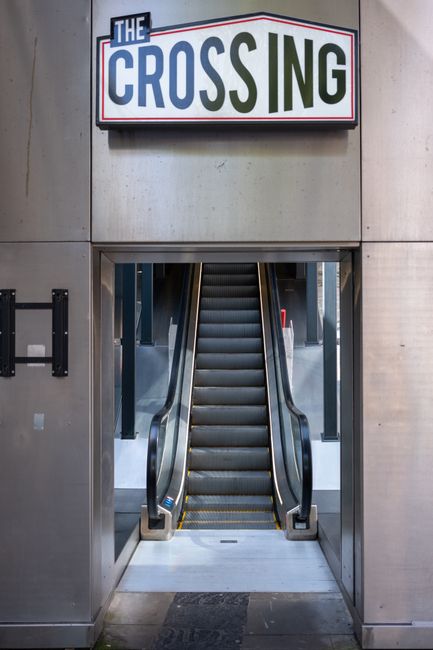
Hidden costs of New Cross moves: deposits, stairs & access
If you are planning a move in New Cross, the headline price can look fair enough at first glance. Then the extras start creeping in: tenancy deposit timing, awkward stairwells, limited lift access, parking delays, and those little admin costs nobody mentions until the day before. That is the real story behind the hidden costs of New Cross moves: deposits, stairs & access. In a busy SE14 move, the bill is often shaped by the building, not just the van.
This guide breaks down where surprise costs usually come from, how they build up, and what you can do about them. You will get a practical, local view of the whole process, plus a few hard-earned tips that save time, stress, and yes, a bit of money too.
Why Hidden costs of New Cross moves: deposits, stairs & access Matters
Moving is rarely just about getting boxes from A to B. In New Cross, the details around the building can change the whole shape of the job. A flat that looks simple on a viewing can be a different story when you are carrying a sofa up three flights of narrow stairs with a hallway that barely turns. Add a deposit deadline, a key handover slot, and a parking issue on a side street, and suddenly the move is no longer straightforward.
That is why the hidden costs of New Cross moves: deposits, stairs & access matter so much. These costs can be financial, but they can also be practical. Extra time means extra labour. Restricted access means more handling. Deposit timing can mean temporary storage or a rushed move-out. The invoice is one part of it; the disruption is the other. To be fair, that disruption is often what people remember most.
It also matters because people tend to budget for the obvious things only: the removal van, the packing materials, maybe a takeaway after the move. But if you are moving from a third-floor flat, or into a property with a tight entrance, the small assumptions start to unravel fast. You end up paying for uncertainty. And nobody likes that, especially on a moving day when the kettle has vanished somewhere between two boxes marked "kitchen".
For local moves, the best approach is simple: identify the costly details early, then plan for them before they become a problem. That is especially true if you are moving between flats, student lets, or older terraces where access can be awkward. A little preparation goes a long way.
How Hidden costs of New Cross moves: deposits, stairs & access Works
The hidden costs usually appear in one of three places: the property, the timing, or the handover. Let's look at each one plainly.
1) Deposits can shape the move schedule
When a tenancy deposit is tied to inventory checks, cleaning, or repairs, you may need to hold back some of your budget until the final stage. In practice, that can mean paying for a short overlap between homes, temporary storage, or an extra trip if your outgoing property is not ready at the same time as the new one. You may think, "It is only a day or two," but a day or two is often enough to turn a calm move into a very expensive one.
2) Stairs increase labour, handling time, and risk
Stairs are one of the most common moving wildcards. A ground-floor move is often priced differently from a top-floor walk-up because every item has to be lifted, rotated, protected, and carried by hand. Heavy furniture, white goods, and awkward items such as mattresses or wardrobes all take longer. If the stairwell is tight, the crew may need more careful handling and slower movement, which affects the cost and the schedule.
This is exactly why a page like moving down New Cross Roads with tight stairwells is so relevant for local movers. In older or compact buildings, the stairs are not just part of the route; they are part of the job.
3) Access issues often trigger knock-on charges
Access is a broad term, but it usually means how easily the team can reach your door, load the van, and unload safely. Common access snags include no nearby parking, a long walk from the van to the front door, lift restrictions, coded entry systems, narrow corridors, and restricted loading windows. Each of these adds time. Sometimes it adds a lot of time.
One practical example: if the van cannot stop close to your building, every box becomes a carry. That is manageable with a few small cartons. It is very different with book boxes, wardrobe boxes, and bulky furniture. The job becomes slower, and slower jobs tend to cost more. It is not mysterious, just logistics.
4) Timing can be the hidden multiplier
Access problems are worse when a move is happening during a tight window, such as the same afternoon that keys are being handed over. If one property runs late, the whole chain can compress. That can mean waiting time for the removal team, rescheduling, or needing a second run. A move that looked neat on paper can become messy in real life by 2 p.m. on a Friday.
For a broader sense of how timing, route choice, and local streets affect a move, the New Cross Gate moving checklist for narrow streets and parking tips is a useful companion read.
Key Benefits and Practical Advantages
Understanding hidden moving costs is not about becoming suspicious of every quote. It is about making smarter decisions. Once you know what actually drives the price, you can choose the right service level and avoid last-minute panic.
- Better budgeting: You can set aside funds for deposits, storage, cleaning, or extra labour instead of guessing.
- Fewer surprises: Knowing about stairs and access in advance gives you time to adjust the plan.
- Safer lifting: Less rushing means fewer awkward carries and a lower risk of damage.
- Cleaner handover: If you plan the deposit and move-out timing properly, you are less likely to be caught between homes.
- More accurate quotes: Removal companies can price the job more honestly when they know the property details.
There is also a psychological benefit, which is easy to overlook. When the quote makes sense and the access plan is clear, the move feels manageable. You stop worrying about what might be lurking in the stairwell or whether the van can park legally. That calm matters. Honestly, it matters more than most people admit.
If you are packing room by room, a solid guide like key insights to flawless packing for your house move can help you reduce waste and avoid the last-minute scramble that often creates extra moving costs.
Who This Is For and When It Makes Sense
This advice is useful for almost anyone moving in or out of New Cross, but some people feel the pinch more than others.
- Flat renters: Especially if you live above ground floor or in a building with limited lift access.
- Students: Student lets often involve tight turnaround times, shared access, and a lot of stuff packed into a small space.
- Families: Larger homes create more items, more labour, and more chances for access snags.
- Office movers: Business moves can be delayed by building rules, reception access, and time windows.
- People with bulky furniture: Sofas, beds, pianos, and white goods all make stairs and access more expensive.
It makes sense to focus on hidden costs if any of these sound familiar: you are leaving a walk-up flat, you have a strict checkout time, your new place has no lift, or you need temporary storage between addresses. Even a small move can become tricky if the access is awkward enough.
Students moving in the Goldsmiths/New Cross area often hit the same issues: short tenancy windows, weekend pressure, and narrow routes. That is why local preparation matters so much, as covered in student removals from Goldsmiths to New Cross Station.
Step-by-Step Guidance
If you want to keep costs under control, do not wait until moving week. Start with the property details, then work out the practical realities. Here is a simple order that works well.
- Check the tenancy or sale timeline. Note when the deposit is due back, when keys change hands, and whether there is any overlap between properties.
- Measure the route. Look at stair width, bannisters, door frames, lift dimensions, and corridor turns. If a sofa barely fits on the landing, it matters.
- Identify parking and loading access. Find out how close a vehicle can reasonably get and whether there are restrictions at the time you need.
- List the awkward items. Heavy furniture, mirrors, mattresses, pianos, fridges, and anything fragile should be flagged early.
- Ask for a quote based on reality. Share floor levels, access details, and whether there is a lift. Vagueness leads to vague pricing. Not ideal.
- Decide what needs dismantling or storage. If an item will not pass safely, break it down or store it briefly instead of forcing the issue.
- Prepare a clean handover. A tidy, empty property speeds up checkout and helps reduce delay-related costs.
A good move often comes down to one thing: removing uncertainty. Once the route is clear, the quote becomes easier to trust. And if you need a refresher on staging the move itself, how to move your house with zero stress is a sensible next read.
What to tell your removal team before moving day
Be specific. Say whether the flat is up two flights, whether the staircase bends sharply, whether there is street parking only, and whether the building has narrow access or a buzzer system. If the sofa has to be carried vertically to make the turn, say that too. No one enjoys discovering that halfway through a carry.
Truth be told, a five-minute conversation can save a lot of faff later.
Expert Tips for Better Results
Here are the practical details that make the biggest difference in real New Cross moves.
- Book with access in mind, not just date availability. The cheapest-looking slot is not always the best if the building is awkward.
- Use protective wraps for corners and stair rails. This reduces damage and keeps the move moving, which everyone appreciates.
- Empty bulky furniture before the crew arrives. A lighter sofa or wardrobe is safer to carry. If you are unsure, see sofa storage and handling tips for ideas on preparing large items properly.
- Pack heavy items into small boxes. Big boxes filled with books are a recipe for sore backs and slow stair carries.
- Use a simple labelling system. Mark boxes by room and fragility so the right items are prioritised on the day.
- Have your keys, codes, and contact numbers ready. Access delays are often admin delays in disguise.
- Plan for parking as if it will be harder than you hope. That is usually the safer assumption in busy streets.
One little thing people forget: bin bags, cleaning spray, and a cloth for the final sweep. That last ten-minute tidy can protect your deposit more than another roll of tape ever will. A clean finish is often the difference between a smooth checkout and a frustrating back-and-forth.
If you want to reduce waste while packing and moving, the team at recycling and sustainability offers a useful way to think about what gets kept, reused, or responsibly disposed of.

Common Mistakes to Avoid
Most moving problems are not dramatic. They are small planning mistakes that snowball. The good news? They are very avoidable once you know what to look for.
- Assuming a lift equals easy access. Some lifts are too small for large items, or they are out of service on the day.
- Forgetting to mention top-floor access. This is one of the quickest ways to end up with an inaccurate quote.
- Leaving everything to the final day. That is how storage, extra trips, and rushed cleaning appear.
- Underestimating parking. A van cannot load from a fantasy space. It needs real room.
- Not checking what your deposit depends on. Cleaning, repairs, and inventory issues can delay your money.
- Trying to move oversized items without a plan. That is where walls, hands, and tempers get involved. Not fun.
Another common mistake is forgetting about the human side of the move. If you are exhausted before the van arrives, every staircase feels longer. Every doorway feels narrower. At that point, even a simple chair can feel personal. A bit dramatic, maybe, but also true.
For anyone moving a bed or mattress, especially in a flat with stairs, this guide on quick and stress-free ways to move a bed and mattress is a smart way to avoid avoidable damage.
Tools, Resources and Recommendations
You do not need fancy equipment to manage hidden costs well. You need the right basics and a clear process.
| Tool or resource | Why it helps | Best used for |
|---|---|---|
| Measuring tape | Checks doors, stairs, and furniture clearance | Large items and tight access |
| Box labels or marker pens | Speeds up unloading and reduces confusion | Room-by-room packing |
| Protective blankets and wraps | Helps avoid scratches on stairs and walls | Furniture and fragile items |
| Inventory checklist | Makes deposit handover and loss checks easier | Tenancy move-out |
| Storage solution | Creates breathing room if dates do not line up | Deposit delays or move-date gaps |
For item-specific planning, these pages are genuinely useful: packing and boxes in New Cross for materials, storage in New Cross for temporary overflow, and furniture removals in New Cross if your move includes bulky pieces that need careful handling.
If the move is urgent and the timing is tight, you may also want to consider same-day removals in New Cross. That is not for every move, obviously, but sometimes the day simply has other plans.
Law, Compliance, Standards, and Best Practice
Moving home is not the same as a regulated financial product, so this is not about legal advice. Still, there are a few UK best-practice points worth keeping in mind.
First, tenancy deposits are usually tied to the rules in your tenancy agreement and the way the property is left at checkout. The exact process varies, but the practical lesson is the same: document the condition of the property, keep copies of communications, and allow time for final checks. Photos on moving day can be very helpful. Not glamorous, but useful.
Second, removal work should be carried out with proper regard for safety. Good practice means safe lifting, sensible loading, and care around stairs, doorways, and shared areas. If you are handling heavy objects, a clear lifting plan matters. The blog post on solo heavy object lifting is a good reminder that technique matters as much as strength.
Third, access problems are not just inconvenient; they are a safety issue. Overcrowded hallways, blocked exits, and rushed carries can create avoidable hazards. That is one reason professional movers tend to ask detailed questions before quoting. They are not being fussy. They are trying not to guess.
Finally, if a provider talks about insurance, safety, payment security, complaints handling, or terms and conditions, those pages are there for a reason. Reading them is boring, yes. But boring is exactly what you want when money and belongings are involved. For transparency and service expectations, pages like insurance and safety, payment and security, and terms and conditions are worth a look.
Options, Methods, or Comparison Table
Different moving approaches suit different access situations. Here is a practical comparison.
| Approach | Best for | Potential downside | Hidden-cost risk |
|---|---|---|---|
| DIY van hire | Small loads, flexible timing | You handle all lifting and route planning | High if stairs or access are awkward |
| Man and van | Smaller flats, single-room moves, local jobs | May need more time if access is poor | Moderate, depending on floor level and parking |
| Full removal service | Larger homes, furniture-heavy moves, complex timings | Higher upfront price | Often lower risk because the access is assessed properly |
| Storage plus staged move | Deposit overlaps, date gaps, renovations | Extra coordination needed | Can reduce the cost of rushed decisions |
There is no single right answer here. A simple student move from a first-floor flat might be fine with a smaller service. A family move from a top-floor apartment with limited access is a different beast entirely. The smartest option is the one that matches the building, not the one that looks cheapest on paper.
If you want to compare service types before deciding, services overview, man and van in New Cross, man with a van in New Cross, and removal services in New Cross are sensible starting points.
Case Study or Real-World Example
Here is a realistic example based on the kind of move people often face in New Cross.
A tenant is moving out of a second-floor flat with a narrow staircase and a front entrance that opens onto a busy road. The new tenancy starts the same afternoon, but the old deposit will not be released until the final inventory check is completed. The sofa is too awkward to turn on the landing unless it is tilted, the mattress is bulky, and the fridge needs careful handling. Nothing is wildly unusual on its own. Together, though, they create a proper headache.
Without planning, the move could have meant waiting around for keys, a second vehicle trip, and extra labour time because the van could not park close enough. Instead, the tenant split non-essential items into a small storage plan, packed the smaller boxes early, and confirmed the stair access in advance. The result was not magical, just calmer. The removal team knew what to expect, the handover happened on time, and the final cost stayed closer to the original expectation.
This kind of move happens all the time. It is rarely one huge issue. It is the combination of a few small ones. Once you see that clearly, it becomes much easier to manage.
For more on preparing bigger items and appliances, these guides can help: cleaning before moving out, keeping a freezer in prime condition during inactivity, and correct freezer storage practices.
Practical Checklist
Use this checklist a few days before moving day. It is simple, but it catches the details that usually cause the surprise costs.
- Confirm your move-out date and move-in date.
- Check when your deposit is likely to be reviewed or released.
- Measure stairs, landings, doors, and any lift dimensions.
- Note whether the building has restricted access or coded entry.
- Confirm parking and loading space near both properties.
- List large, heavy, or fragile items separately.
- Ask whether any furniture needs dismantling.
- Pack small heavy items into manageable boxes.
- Prepare cleaning products for the final handover.
- Keep keys, phone numbers, and access codes together.
- Set aside a small emergency buffer for extra time or storage.
- Read the relevant service and policy pages before booking.
If you are still decluttering, stress-less declutter before you move is a good reminder that less stuff usually means fewer access headaches. And fewer stairs to climb with random mystery boxes, which is never a bad thing.
Conclusion
The hidden costs of New Cross moves: deposits, stairs & access are rarely hidden because anyone is trying to trick you. They are hidden because they are easy to underestimate. A move can look simple until the staircase turns sharply, the parking space disappears, or the deposit timing creates a gap between tenancies.
The answer is not panic. It is detail. Measure the route, clarify the timing, flag awkward furniture, and make sure the quote reflects the real building, not the ideal one. That way, you are paying for a move, not for surprises. And that is a much better feeling on the day.
If you are still at the planning stage, take a breath, get the practical facts together, and talk to a removal team that understands the realities of local moves in SE14. A calm, well-planned move is absolutely possible, even in a tight staircase and a tight schedule. Especially then, actually.
Get a free quote today and see how much you can save.
For more about the team behind the service, visit about us.

