



New Cross Gate moving checklist: narrow streets & parking tips
Posted on 28/04/2026
New Cross Gate moving checklist: narrow streets & parking tips
Moving in New Cross Gate can be straightforward on paper and awkward in real life. The area's tighter residential streets, busy commuter flow, limited kerb space, and frequent parking restrictions can turn a simple removal into a logistical puzzle. If you are planning a move here, a good checklist is not just helpful; it can save time, reduce stress, and prevent avoidable damage.
This guide gives you a practical New Cross Gate moving checklist focused on narrow streets and parking tips, so you can plan access, protect your belongings, and keep moving day moving. You will find clear steps, local-minded advice, common mistakes, and a realistic look at when it makes sense to bring in professional help. If you want a broader overview of preparation, it is worth reading stress-free moving house tips alongside this guide, plus our notes on packing for a big move and decluttering before a move.
Why New Cross Gate moving checklist: narrow streets & parking tips Matters
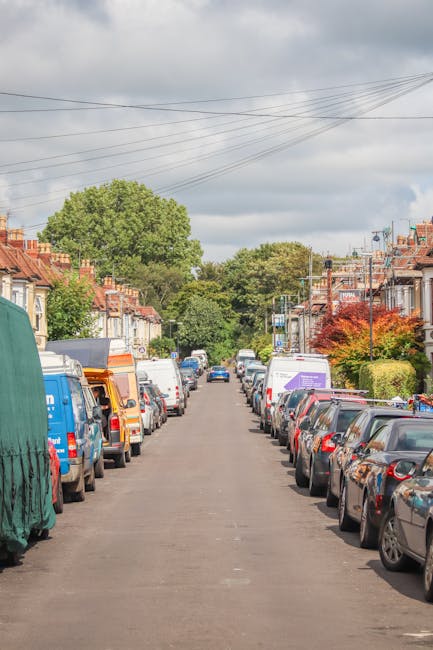
In an area like New Cross Gate, the move is often won or lost before the first box leaves the property. If your van cannot stop near the entrance, if the road is too narrow for two-way passing, or if another vehicle blocks the loading space, even a well-packed home can become difficult to shift safely.
The practical issue is simple: moving crews need room to load, turn, and park legally. A hallway full of boxes is only one part of the job. The outside access matters just as much. That is especially true if you live in a flat, maisonette, shared house, or a street where parking is tight and visibility is poor around bends or junctions.
Good access planning also protects your furniture. Carrying a sofa an extra fifty metres, squeezing a mattress around a parked car, or waiting with a fridge in the rain does not just waste time; it increases the chance of knocks, scuffs, and strain. For heavier items, the difference between a smooth route and a awkward one is huge. If you are moving bulky pieces, the advice in kinetic lifting techniques and lifting heavy objects safely can help you understand why route planning matters.
Expert summary: in narrow streets, the best moving day is usually the one where access was planned the day before, not improvised at the kerb.
How New Cross Gate moving checklist: narrow streets & parking tips Works
The checklist works by breaking a move into three layers: property access, street access, and vehicle access. Most problems happen when one of those is assumed rather than checked.
1. Property access
Start inside the building. Measure doorways, stair turns, lift dimensions if relevant, and any awkward corners in the hallway. A lot of delays come from one item that looked small in the lounge but refuses to turn on the landing. Bed frames, wardrobes, and sofas are common troublemakers.
2. Street access
Next, look at the road itself. Is it narrow enough that a van will block traffic while loading? Are there bays, yellow lines, controlled parking zones, or resident-only areas nearby? Is there enough room to place a vehicle without forcing it halfway onto a pavement or junction? Small streets can look manageable on a quick drive-by and still be difficult when a long wheelbase van arrives.
3. Vehicle access
Then decide what vehicle size is sensible. Bigger is not always better. On some roads, a smaller van parked closer to the door saves more time than a large van that must stay several houses away. If you are unsure, a service such as man with a van in Mitcham or a flexible man and van service can be more practical than overcommitting to a large vehicle.
Once those layers are clear, the rest becomes easier: protect floors, label boxes, sequence loading, and plan the route from front door to van. It sounds basic, but on a busy street basic is often what keeps the whole operation calm.
Key Benefits and Practical Advantages
A well-planned move in New Cross Gate delivers more than convenience. It changes the quality of the whole day.
- Less waiting around: when parking is planned, loaders can start immediately instead of circling the block.
- Lower risk of damage: shorter carrying distances mean fewer bumps on walls, banisters, and door frames.
- Better safety: a clear route reduces slips, strained backs, and rushed manoeuvres.
- More accurate timing: you can book handover, cleaners, childcare, or help with better confidence.
- Less stress with neighbours and traffic: a tidy plan is far less likely to annoy residents or obstruct the road.
There is also a quieter benefit: decision fatigue drops. Instead of reacting to every small obstacle, you are following a plan. That matters on moving day, when even one more thing to think about can feel like a lot.
If you are still deciding how much help you want, take a look at the wider range of removal services and the specific options for house removals or flat removals. Even if your move is in New Cross Gate rather than Mitcham, the service structure gives a good idea of what a well-organised removal day should cover.
Who This Is For and When It Makes Sense
This checklist is useful for anyone moving in or around New Cross Gate, but it is especially valuable if your property or delivery vehicle must deal with restricted access.
- Flat movers: if you are above ground floor or in a building with shared access, route planning becomes essential.
- Families moving house: more items, more boxes, more timing pressure.
- Students and renters: quick turnaround dates often leave less time for parking coordination.
- Office or business moves: access windows can be tighter, and delays are costlier.
- Anyone with large furniture: sofas, beds, wardrobes, and pianos need wider turning space and more thoughtful loading.
It also makes sense if your move is small but awkward. A single-bed studio on a tight street can be harder than a three-bed house with a drive. Truth be told, access is often the real measure of complexity, not the number of boxes.
For heavy or specialist items, read more about the risks of DIY piano relocation and the practical advice in moving a bed and mattress safely. Those items tend to expose weak access planning very quickly.
Step-by-Step Guidance
Use this sequence to prepare for a move in a narrow New Cross Gate street.
Step 1: Walk the route from front door to kerb
Do this with your biggest item in mind. A sofa might fit through the front door but fail at the stair bend. A wardrobe might clear the hallway but get stuck on the last turn. If possible, walk the route carrying a tape measure or at least mark out the widest points mentally.
Step 2: Measure the van stopping area
Check how far the van could realistically park from the entrance. Remember to leave space for rear doors to open safely. If your street is especially narrow, you may need to accept a longer carry distance or a smaller van. Do not guess. Guessing is how people end up doing an awkward shuffle with a mattress in light drizzle, which is nobody's favourite moving-day hobby.
Step 3: Review parking controls early
Look for resident permit zones, time-restricted bays, pay-and-display signs, yellow line restrictions, and possible suspension rules if applicable. If any part is unclear, check locally in advance rather than assuming that loading for "just ten minutes" will be fine.
Step 4: Notify neighbours where sensible
If your move may take up extra curb space, a brief note or conversation can make a real difference. Good communication is especially helpful in narrow streets where one blocked driveway can change the plan for everyone.
Step 5: Reserve your loading sequence
Load the largest, heaviest, and least flexible items first: bed frames, wardrobes, sofas, appliances. Follow with boxes and soft furnishings. Use the guide on packing for your big move if you want a smarter box strategy.
Step 6: Prepare your property for fast exit
Clear the hallway, dismantle furniture where possible, secure loose cables, and protect corners. A cleaner route is a safer route. If you want a deeper pre-move tidy checklist, our article on cleaning before moving out is a useful companion piece.
Step 7: Keep a backup plan
Have a fallback if your chosen parking spot is taken. That could mean a second loading point, a smaller second vehicle, or a short wait while a space opens. Flexibility matters. Street parking rarely behaves exactly as expected on the day.
Expert Tips for Better Results
The difference between a decent move and a genuinely smooth one is often found in the details people overlook.
- Choose the off-peak window: early morning often works better than mid-afternoon when traffic and parking demand increase.
- Use a spotter: one person should watch clearance while the driver reverses or positions the van.
- Protect the route: doorframe guards, floor covers, and blankets can save both the property and the furniture.
- Break down awkward items: removing legs from tables or shelves from units can halve the carrying difficulty.
- Keep essentials separate: documents, chargers, keys, and medication should not be mixed into general boxes.
- Match the vehicle to the street: a tighter road may favour a smaller removal van rather than a large one.
For bulky furniture, specialist handling can be worth it. You can explore furniture removals if you are moving items that are too large or awkward to manage casually. If your move involves a piano, the safer route is usually to avoid improvising entirely and review professional piano removals.
One more practical point: keep a small tool bag on hand. A screwdriver, Allen keys, tape, marker pen, and gloves are boring items, yes, but they earn their place quickly.
Common Mistakes to Avoid
Most moving problems are surprisingly ordinary. The trick is spotting them before they cost you time or money.
- Assuming parking will sort itself out: the street is not a parking plan.
- Booking a van that is too large: a bigger van can create more problems on tight roads.
- Leaving access checks until moving day: by then, it is usually too late to change much.
- Forgetting about stairs and corners: the journey inside the property is just as important as the journey outside.
- Not measuring large items: "it should fit" is not a strategy.
- Loading boxes in a random order: if you have to unload half the van to reach a kettle, you will feel that.
- Ignoring weather and timing: wet roads, school traffic, and rush hour can all affect access.
A lot of these issues are avoidable with a bit of planning and a realistic attitude. Not every move needs heroics. Most need good sequencing and a calm approach.
Tools, Resources and Recommendations
You do not need a complicated toolkit, but the right few items make a big difference.
| Tool / resource | Why it helps | Best used for |
|---|---|---|
| Measuring tape | Checks furniture, doors, stair turns, and van space | Large items and tight hallways |
| Gloves | Improves grip and protects hands | Heavy boxes and awkward surfaces |
| Furniture blankets | Reduces scratches and impact damage | Sofas, tables, cabinets |
| Marker pens and labels | Makes loading and unpacking faster | Room-based box organisation |
| Phone map and parking notes | Helps with access points and restrictions | Street planning and driver coordination |
If you need short-term holding space while sorting access or completion dates, take a look at storage options. That is particularly useful if completion is delayed or you are moving in stages. For boxes, tapes, and packing supplies, the dedicated packing and boxes page is a sensible place to start.
If you want to compare service levels and see what a full move may include, the services overview gives a useful picture. For pricing questions, the pricing and quotes page helps set expectations before you commit.
Law, Compliance, Standards, or Best Practice
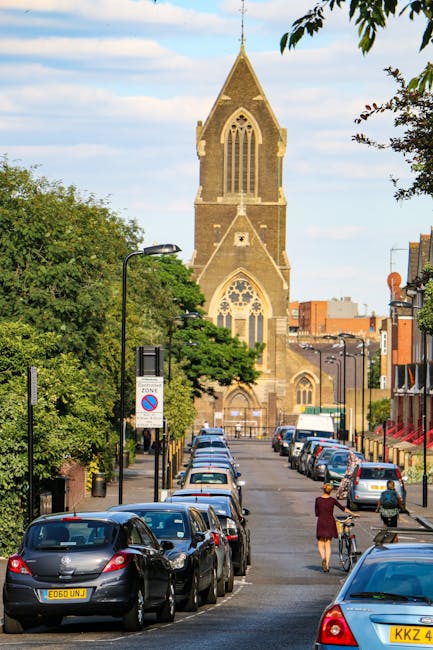
Parking and loading in London areas can involve local restrictions, residents' bays, time windows, yellow lines, and permit-controlled streets. The exact rules depend on the road, borough, and sign in place, so it is sensible to check the relevant local authority information before moving day. Do not rely on memory or what "usually happens" on the street.
From a safety perspective, best practice is to avoid blocking pavements, driveways, access routes, or emergency access. Even where a vehicle can technically stop, it may not be practical or considerate to do so. A professional mover should also think in terms of safe lifting, suitable equipment, load security, and clear communication between driver and loader.
For a service provider, useful trust signals include clear information about health and safety policy, insurance and safety, and transparent terms and conditions. If you are researching the company before booking, the about us page and contact page are also useful for confirming how they operate and how quickly they respond.
Keep in mind that permits, suspensions, and loading allowances can change, so local checks should always be made close to the moving date. That is the safest and most sensible approach.
Options, Methods, or Comparison Table
There is more than one way to handle a move in a narrow street. The best choice depends on the property, the volume of belongings, and how restrictive the parking is.
| Method | Best for | Pros | Trade-offs |
|---|---|---|---|
| Small van close to the property | Tight roads and shorter moves | Easier parking, quicker access | May need more trips |
| Large removal van farther away | Larger household moves | More capacity in one go | Longer carry distances |
| Man and van support | Flexible, medium-size moves | Practical for awkward access | May still need parking planning |
| Full removal service | Busy households or complex items | More hands, more organisation | Higher level of coordination needed |
For many New Cross Gate moves, a smaller, adaptable approach wins because the street itself is the limiting factor. In those situations, the most efficient option is the one that can park legally and unload safely, not necessarily the one with the biggest payload.
Case Study or Real-World Example
Imagine a two-bedroom flat on a narrow residential street with parked cars on both sides and a single available loading bay a short walk away. The move includes a bed frame, mattress, sofa, dining table, and a stack of boxes.
If the team arrives without a parking plan, the van may end up circling while someone tries to find a space. By the time loading starts, the day is already behind schedule. If the street is tighter than expected, the sofa may need to be carried around a line of cars, increasing the chance of scraping a wall or catching a corner.
Now compare that with a planned approach. The mover checks access the day before, brings the right-size vehicle, leaves the loading area clear, and loads the sofa and bed first while the route is still unobstructed. Boxes are labelled by room, and a second person stands at the rear of the van to guide placement. The move still takes effort, but the effort is directed rather than chaotic.
That is the real benefit of access planning: fewer surprises, fewer repeated trips, and fewer opportunities for one small obstacle to become the main story of the day.
Practical Checklist
Use this checklist the day before and again on the morning of the move.
- Confirm the moving address, entry details, and contact numbers.
- Check the road layout and identify where a van could legally stop.
- Review parking signs, permits, and any time restrictions.
- Measure large furniture and confirm it can pass through doors and stairs.
- Reserve or arrange the most suitable vehicle size.
- Clear hallways, landings, and entrance routes.
- Protect floors, walls, and corners.
- Pack a tools bag with tape, screwdriver, marker, and gloves.
- Label boxes by room and priority.
- Prepare essential items separately for first-night access.
- Tell neighbours if access may be tight or temporary obstruction is likely.
- Keep a backup parking or unloading plan ready.
- Leave enough time for unexpected delays.
Quick takeaway: if the street is tight, your move should be planned from the van backwards, not from the sofa forwards.
Conclusion
Moving in New Cross Gate does not have to be stressful, but it does need to be practical. Narrow streets, parking restrictions, and busy local roads reward careful planning. If you measure access properly, choose the right vehicle, and prepare a realistic loading strategy, you will already have solved the most common problems before the move begins.
The real goal is not perfection. It is control. A move that feels calm usually comes from simple decisions made early: checking the street, respecting parking rules, protecting the route, and not underestimating awkward furniture. Do that, and the rest tends to fall into place more smoothly than you might expect.
If you would like help planning a move that has tight access, a difficult parking layout, or heavy furniture to manage, it is worth speaking with a trusted local team rather than guessing your way through it.
Get a free quote today and see how much you can save.