


SE14 flats: moving down New Cross Road's tight stairwells
Posted on 06/05/2026
If you live in an SE14 flat near New Cross Road, you probably already know the awkward truth: the move is rarely hard because of the distance, it is hard because of the stairs. Narrow turns, awkward railings, low ceilings, shared entrances, and that one landing that never seems wide enough can turn a simple job into a slow, sweaty puzzle. This guide to SE14 flats: moving down New Cross Road's tight stairwells is built for exactly that kind of move.
Whether you are shifting out of a top-floor flat, moving a sofa that looked smaller in the showroom, or trying to get a mattress down a staircase that feels designed by someone with a grudge, the answer is usually the same: plan properly, strip the load down, protect the property, and use the right moving method. Below, you will find a clear, practical walkthrough that covers what matters, what to avoid, and how to make the whole thing feel much less chaotic. To be fair, a tight stairwell can look intimidating right up until the moment you approach it with a proper plan.
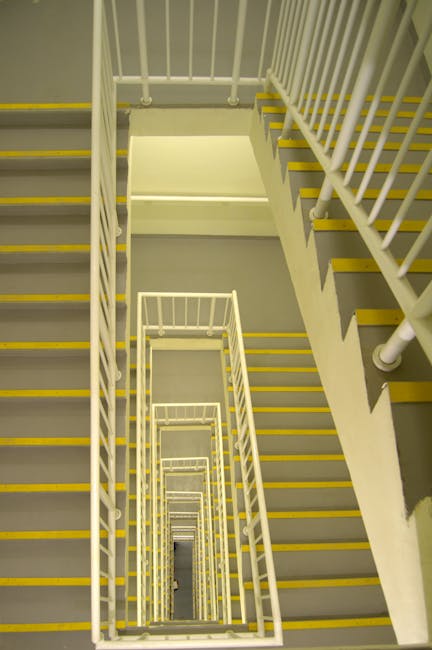
Why SE14 flats: moving down New Cross Road's tight stairwells Matters
Stairwells are not just an inconvenience. They shape the entire move. In many SE14 flats, especially older conversions and compact upper-floor homes around New Cross Road, the staircase can dictate what can be moved as-is, what must be dismantled, and whether a move can happen safely without damaging the walls, bannister, or the item itself.
That matters for three reasons. First, there is the practical side: if you cannot turn the item on the landing, you cannot move it down. Second, there is the safety side: one slip on a tight staircase can cause injury or damage quickly. Third, there is the time side: a move that would be straightforward in a ground-floor property can stretch into a long, careful operation when every bend needs negotiation. In our experience, people often underestimate the staircase, then spend the last hour of the move wrestling with the one thing that should have been measured beforehand.
It also matters because New Cross Road has a mix of building styles. Some flats have narrow communal stairs, some have boxed-in internal staircases, and some have awkward corners where furniture has to pivot at just the right angle. If you are moving in or out of SE14, the smartest thing you can do is treat the stairwell as a key part of the move plan, not an afterthought.
If you are planning a larger flat move, you may also want to look at flat removals in New Cross and the wider removal services in New Cross available for local properties.
How SE14 flats: moving down New Cross Road's tight stairwells Works
The process is simple in theory and more fussy in practice. You assess the stairwell, identify the largest or most awkward items, prepare them for movement, and choose the safest route down. The difference between a smooth move and a tense one often comes down to those early checks.
Here is the basic logic behind it:
- Measure the problem points. Not just the item, but the landings, bannister gaps, ceiling height, and turns.
- Strip the item down where possible. Bed frames, sofas, wardrobes, and tables are much easier when disassembled.
- Protect both property and item. Blankets, wraps, corner protectors, and gloves all help.
- Plan the carry line. One person leads, another stabilises, and someone else clears the path.
- Move slowly and communicate constantly. Tight stairs punish rushed decisions. Every time.
That is the working model, anyway. In reality, a move down a cramped staircase often requires a few adjustments on the fly. Maybe the mattress has to be rotated at an angle. Maybe the sofa needs to come down without its feet. Maybe a piano, freezer, or heavy chest of drawers is simply not sensible to carry without specialist help. Which is why local knowledge and the right support matter so much.
For awkward heavy pieces, it can help to read practical tips for solo heavy object lifting and, if you are dealing with a larger home move too, flawless packing tips for a house move.
Key Benefits and Practical Advantages
People do not usually think about benefits when they picture a stairwell move. They think about sweat, careful footwork, and whether the banister is going to survive. But there are real advantages to handling this properly.
- Less damage risk. Careful planning reduces scuffs on walls, chips on paintwork, and knocks to furniture edges.
- Faster loading and unloading. When items are prepared correctly, the move tends to flow rather than stall.
- Better protection for fragile items. Tight turns are where damage happens, so the right wrapping matters.
- Lower physical strain. Good technique helps avoid the kind of back strain that lingers for days.
- More predictable timing. You are less likely to run into awkward delays if you know the building layout in advance.
- Less stress for everyone involved. That sounds obvious, but honestly, it changes the tone of the day.
There is also a comfort factor that gets overlooked. A move feels calmer when you know the awkward parts have already been thought through. That small sense of control makes a big difference, especially if you are moving after work, between tenants, or on a tight schedule.
If you are trying to reduce the overall load before moving day, you might find this decluttering guide useful. Less stuff often means less stair drama. Simple as that.
Who This Is For and When It Makes Sense
This kind of move is most relevant for people leaving or entering upper-floor SE14 flats along New Cross Road, especially where access is tight and lift access is limited or absent. It is also a good fit for students, renters, young professionals, small families, and anyone moving a few bulky items rather than a whole house.
It makes sense when:
- the staircase is narrow, steep, or shared with neighbours;
- you have furniture with fixed dimensions that cannot be squeezed or bent;
- the building has a tricky entrance, low hallway ceiling, or sharp landing turn;
- you need to protect newly painted walls or freshly cleaned communal spaces;
- you want a more organised move with less physical strain;
- you are moving on a deadline and cannot afford trial-and-error on the stairs.
It is especially useful for people moving typical flat contents: beds, mattresses, sofas, wardrobes, dining sets, fridges, freezers, and pianos. If that last item made you wince a little, yes, it deserves its own plan. A piano does not forgive improvisation.
For specialist items, a few related pages may help, such as piano removals in New Cross and furniture removals in New Cross. If your move is smaller and more flexible, man and van services in New Cross can also be a practical option.
Step-by-Step Guidance
Here is a practical way to approach the move without letting the stairwell take over the day.
1. Inspect the staircase properly
Look at the width of the stairs, the size of the landings, the position of handrails, and any tight corners near the front door. If possible, measure the widest and narrowest points. Do not assume a sofa that fits in a room will fit through the stairs. It sounds obvious. It is also where people get caught out.
2. List the awkward items first
Start with the biggest items, not the boxes. Beds, mattresses, sofas, wardrobes, and appliances should be assessed before you pack the final tape roll away. Once you know what needs extra work, you can decide what to dismantle, what to wrap, and what to leave to the movers.
3. Prepare the items for the route down
Remove drawers, shelves, feet, detachable arms, and loose fittings where safe to do so. Wrap corners and edges. Tie cables. Tape doors shut. If you are dealing with cold appliances, make sure they are empty and prepared in line with sensible storage practice; keeping your freezer pristine with correct storage practices and storing it safely during inactivity are both relevant if a freezer is part of the move.
4. Clear the stairwell and surrounding areas
Remove loose mats, bins, shoes, and anything else that could snag a foot or a box. Ask neighbours not to leave prams or deliveries in the way during the move window if you can. In communal blocks, small obstacles become big ones surprisingly fast.
5. Assign roles if more than one person is helping
One person should lead from the bottom or top, another should stabilise the load, and a third can keep doors open or warn about oncoming traffic. The key is not to all talk at once. A bit of calm, clear calling beats everyone shouting "careful!" at the same time. That never helps, really.
6. Move one item at a time and re-check as needed
After each large item, pause, reset, and confirm the next move. If a piece needs to be re-angled halfway down, stop rather than forcing it. The stairwell does not care how determined you feel.
7. Finish with a final walk-through
Check for scuffs, forgotten screws, loose packing, and rubbish. If you are leaving the flat, this is also the moment to think about cleaning and handover standards. A good end-of-tenancy clean makes the last part of the day much easier.
Expert Tips for Better Results
The finer details make the difference in SE14 stairwell moves. Here are the things that tend to matter most in real life.
- Use the right moving angle. A sofa often needs to be tipped, rotated, or carried on its end to clear a landing.
- Protect the edges you do not notice first. The underside corners and back panels are often the ones that get clipped.
- Work with the building's shape, not against it. Sometimes the best route is not the shortest route.
- Keep hands dry and shoes secure. A surprising number of stair issues start with a poor grip or slippery soles.
- Make decisions early. If an item looks borderline, dismantle it before it reaches the stairs.
- Use storage if timing is awkward. If access dates do not line up, storage in New Cross can remove a lot of pressure from the move day itself.
One small but valuable habit: take a photo of the staircase and the furniture before moving starts. Not for show, not for social media. Just for reference. It helps when deciding whether the armchair needs to go sideways, and it can be handy if anything needs to be checked later.
If you are packing yourself, get sturdy materials. Packing and boxes in New Cross can make a real difference when you are stacking items for a careful carry down the stairs.

Common Mistakes to Avoid
Most stairwell problems are not dramatic disasters. They are small, avoidable mistakes that compound.
- Skipping measurements. Guessing is expensive when the sofa gets stuck at the landing.
- Leaving dismantling until the last minute. That usually means rushed decisions and stripped screws.
- Forcing oversized items through a turn. If it is not fitting, forcing it only raises the risk of damage.
- Ignoring the flooring and wall edges. A protective blanket is cheaper than a repair.
- Trying to carry too much at once. Two smaller trips are usually better than one overambitious one.
- Not planning for neighbours and shared access. Shared stairs need courtesy and timing.
- Underestimating fatigue. By the second or third heavy item, people tire. That is when mistakes sneak in.
There is also the classic mistake of assuming the hardest item will be the last one. It might be. Or it might be the thing you forgot about until the van is already half-loaded. A bit awkward, but common.
Tools, Resources and Recommendations
You do not need a warehouse full of gear to do this well. But the right tools make stairwell moves noticeably safer and calmer.
| Tool or Resource | Why It Helps | Best Use |
|---|---|---|
| Furniture blankets | Protects surfaces from bumps and scrapes | Sofas, wardrobes, table corners |
| Straps and tape | Keeps doors, drawers, and cables secure | Appliances, desks, beds |
| Gloves with grip | Improves handling and confidence | Heavy or awkward items |
| Removing tools | Speeds up dismantling | Beds, flat-pack furniture, shelving |
| Trolley or sack truck | Reduces carrying strain where usable | Ground-level transfers and short runs |
| Storage solution | Helps when timing or space is tight | Delays, staggered moves, renovations |
There are also a few useful supporting resources if you are trying to make the whole move more manageable. This zero-stress moving guide is a solid general reference, while bed and mattress moving tips are especially useful for narrow internal stairs.
If you are still comparing support options, the company's services overview, pricing and quotes, and about us pages are worth a look before you book anything.
Law, Compliance, Standards, or Best Practice
For most SE14 flat moves, the main compliance concerns are practical rather than legal: access, safety, insurance, and care for the property. That said, a responsible removal process should still follow sensible UK best practice.
At a minimum, movers should think about:
- Health and safety. Safe lifting, clear access routes, and sensible team coordination matter on staircases.
- Insurance and protection. It is wise to understand what is covered in case of accidental damage during the move.
- Building rules. Some flats and managed blocks have access times, lift booking rules, or shared-area expectations.
- Fair handling of belongings. Items should be moved with reasonable care and without unnecessary force.
- Responsible waste and recycling. Boxes, wraps, and unwanted items should be handled thoughtfully where possible.
If you want to check how a company approaches these issues, review their health and safety policy, insurance and safety information, terms and conditions, and recycling and sustainability approach. If you have questions about access or a tricky stairwell, the contact page is the straightforward next stop.
Options, Methods, or Comparison Table
Not every SE14 stairwell move needs the same level of support. The best option depends on the item, the stairs, and how much time you have.
| Method | Best For | Pros | Watch Out For |
|---|---|---|---|
| DIY with friends | Light to moderate loads, short moves | Lower cost, flexible timing | Risk of injury, poor coordination, property scuffs |
| Man and van | Small to medium flat moves | Practical, quick, good for local jobs | May still need careful prep for narrow stairs |
| Full removal service | Larger flat moves, fragile or bulky items | More support, better handling, less stress | Usually costs more than a basic van-only option |
| Storage-first move | Delayed handovers, renovations, split move dates | Takes pressure off timing | Requires extra planning and extra handling |
For many people in New Cross, the real choice is between convenience and control. If you want the simplest local route, a man with a van in New Cross can work well for smaller flat contents. If the move is larger or the stairs are particularly tight, a more complete removals service in New Cross is often the calmer choice. Not glamorous, but sensible.
Case Study or Real-World Example
Imagine a second-floor SE14 flat just off New Cross Road. The tenant is moving out on a Friday afternoon, and the staircase inside the building has a narrow turn halfway down. The main items are a double bed, mattress, two bookcases, a sofa, and a freezer. Nothing outrageous. Just enough to be annoying.
The move works best when the items are broken into categories. The bed frame comes apart first. The mattress is wrapped and carried separately. The sofa has its feet removed, making the profile lower and easier to angle. The freezer is emptied in advance and handled carefully so it remains upright. The bookcases are light enough once shelves are removed, but they still need a second pair of hands near the turn.
The tricky point is the landing. There is a small pause, a pivot, then a controlled slide of the item down the next flight. It sounds slow because it is slow. But slow is fine here. The job finishes without damage, the hallway stays clean, and nobody has to do that pained half-laugh people do when something almost clips a wall.
That is the real value of planning for a stairwell. You do not just get the items downstairs. You get them downstairs in one piece, with less stress, and with less chance of a last-minute scramble. If you have ever had to angle a sofa around a stair bend at 7:45 in the morning, you know exactly why that matters.
Practical Checklist
Use this checklist before moving day. It keeps the stairwell part of the job from becoming a guessing game.
- Measure stair width, landings, and awkward turns
- Check whether furniture needs dismantling
- Remove drawers, shelves, feet, and loose parts
- Wrap corners, edges, and fragile surfaces
- Clear the stairwell, entrance, and hallway
- Protect floors and walls where possible
- Confirm who is carrying, who is guiding, and who is opening doors
- Keep pathways dry, lit, and uncluttered
- Plan for bulky items such as sofas, mattresses, or pianos
- Arrange storage if dates do not line up neatly
- Set aside cleaning materials for the final sweep
- Check insurance and service terms before the move
Expert summary: Tight stairwells are rarely a brute-force problem. They are a planning problem. Measure first, dismantle where sensible, protect the property, and move with patience. That approach saves time, money, and a fair bit of stress.
Conclusion
Moving through SE14 flats on New Cross Road is less about muscle and more about judgment. Narrow stairwells reward preparation, careful lifting, and a cool head. Once you know what will fit, what needs dismantling, and where the risks are, the move becomes much more manageable. Still busy, yes. But manageable.
If you are working with bulky furniture, delicate items, or a tight deadline, a local team that understands the layout of New Cross properties can make the day feel a lot easier. And that counts for a lot when you are standing on a landing with half a sofa in your hands and a staircase that seems to have opinions.
Get a free quote today and see how much you can save.
If you are ready to talk through access, timings, or the awkward bits of your move, get in touch here. A short conversation now can save a long morning later.