



Lewisham Council parking permits for New Cross removals
Posted on 26/06/2026
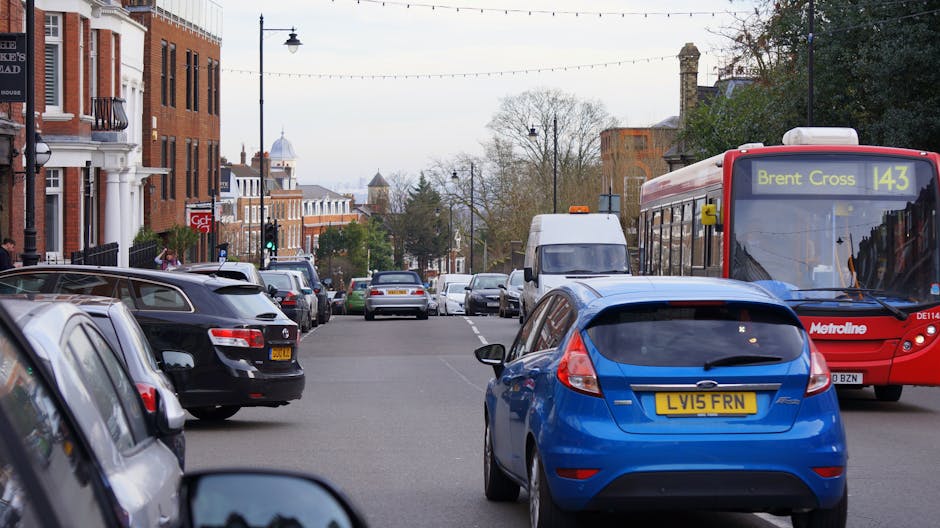
Lewisham Council parking permits for New Cross removals: a practical guide for a smoother moving day
Planning a move in New Cross? Then parking can become the part that quietly causes the most stress. Narrow streets, busy bays, permit zones, and a removal van that needs to stop close to the entrance can turn a simple move into a logistical puzzle. That is exactly why Lewisham Council parking permits for New Cross removals matter: they help you avoid last-minute problems, reduce delays, and keep the whole day moving in the right direction.
In this guide, we will walk through how parking permits work in plain English, when you need one, what to check before moving day, and how to avoid the common mistakes people make. If you are moving from a flat, handling bulky furniture, or arranging a quick turnaround between tenancies, a bit of planning now can save a lot of faff later.
Why Lewisham Council parking permits for New Cross removals Matters
New Cross is one of those places where a moving van can be a blessing or a nuisance depending on how well the parking side is handled. The roads are often tight, bays may be controlled, and it is not unusual for a driver to have to circle a block more than once before finding a usable space. If you are moving heavy items, that extra distance matters. A lot.
Parking permits are not just an admin box to tick. They can determine whether your removal team can work efficiently, whether your move runs on time, and whether you avoid the awkward situation of unloading from several doors down the street in drizzle. Truth be told, nobody wants to carry a wardrobe across a busy road because a van had nowhere legal to stop.
This is especially relevant for flats, student moves, and short-notice jobs in SE14. If your move involves stairs, awkward access, or multiple trips, the time saved by getting parking sorted can be surprisingly valuable. You will also reduce pressure on the team, which can make the whole day calmer and a bit safer too.
For people preparing a move in the area, it often sits alongside other important planning tasks such as narrow-street moving preparation, tight stairwell handling, and careful packing from this packing guide. Parking is only one piece of the puzzle, but in New Cross it is a big one.
How Lewisham Council parking permits for New Cross removals Works
At a practical level, the process usually means checking whether your moving vehicle can legally stop where you need it to stop, then arranging any required permission in advance. Some streets may allow short stays, while others are permit-only, pay-and-display, or time-restricted. The exact setup depends on the road and the day, so assuming a space will be available is rarely a wise move.
For removals, the key question is not simply "is there a space?" but "is there a space the van can actually use for long enough?" A removal vehicle may need more room than a standard car, and it may need to remain parked while several loads are taken in or out. That is why a normal resident parking arrangement is often not enough on its own.
In practice, the job tends to involve three checks:
- Whether the street is controlled and what the normal restrictions are.
- Whether a temporary parking arrangement or dispensation is needed.
- Whether the removal vehicle's size, timing, and stopping position are suitable for the location.
Some people only realise this on moving morning. That is usually when the stress starts creeping in. Better to sort it days ahead, even if the arrangement turns out to be straightforward. If you are arranging help from a local crew, it is sensible to mention parking constraints early, along with access issues, bulky furniture, or any time pressure. That way the job can be planned properly rather than improvised at the kerbside.
For context, this is one of the reasons a well-prepared move is often easier when paired with a local team familiar with New Cross roads, such as a man with a van in New Cross or a full house removals service. Familiarity with the streets is not magic, but it does help.
Key Benefits and Practical Advantages
Getting parking right gives you more than convenience. It changes the rhythm of the day. A move that starts with a legal, planned stopping point tends to feel more controlled from the first box to the last.
- Less loading time: the van can stop closer to the property, which cuts down walking distance and repeated trips.
- Lower risk of delays: no wasted time searching for a space or moving the vehicle halfway through the job.
- Safer handling: shorter carry distances reduce strain, especially for awkward or heavy items.
- Fewer disputes: if a bay or stopping space is authorised, there is less risk of complaints or enforcement issues.
- Better coordination: everyone knows where the van is going to be, which helps with packing, access, and timing.
There is also a less obvious benefit: peace of mind. Moving day already has enough moving parts. Boxes, keys, deposit deadlines, children, pets, parking restrictions... it stacks up quickly. So when the van is planned into the street properly, that removes one big variable from the day. Nice, simple, done.
If your move includes specialist items, the value rises even more. For example, piano removals, large sofas, or fridge moves demand slow, careful handling. You can read more about specialist handling in this piano moving article and this sofa storage guide. Those items become easier to manage when the van can stop close enough for a controlled load.
Who This Is For and When It Makes Sense
Not every move needs the same level of parking planning, but in New Cross it is wise to treat parking as part of the move, not an afterthought. This applies to:
- people moving from flats with limited street access;
- students shifting between rooms or shared houses;
- families moving larger furniture and appliances;
- office or studio moves that need a vehicle parked for a longer loading window;
- same-day or urgent removals where time is already tight;
- any move involving a busy road, permit zone, or controlled bay.
It makes the most sense when the move is close to a main road, near transport routes, or in a street where parking is already competitive. New Cross has plenty of places where the van might be perfectly fine for one hour and completely in the way the next. That is not a criticism, just London being London.
Students moving near Goldsmiths, tenants leaving an upper-floor flat, and anyone using a small crew for a larger load should be especially careful. If that sounds familiar, you might also find the student moving tips for Goldsmiths to New Cross Station useful, along with these tenant moving notes for Amersham Estate.
Step-by-Step Guidance
Here is the practical way to approach Lewisham Council parking permits for New Cross removals without overcomplicating it.
- Check the street conditions early. Look at the road outside your property and nearby streets. Ask yourself: is there enough kerb space for a van? Are the bays controlled? Is the road narrow or one-way? If you leave this until the morning, you are gambling a bit.
- Confirm the moving vehicle details. The size of the van matters. A compact van and a larger removal vehicle may be treated differently in practice, especially if space is tight. If you are booking through a removals team, share the vehicle type as soon as possible.
- Decide how much loading time you need. A small flat move may only need a short window, while a multi-room house move or furniture-heavy job can take longer. Be realistic here. People often underestimate this by a fair bit.
- Arrange the parking permission in advance. If a permit, dispensation, or temporary allowance is needed, do not leave it to luck. Confirm the process, the timing, and any details needed for the booking.
- Tell everyone involved. The driver, the movers, and the person handing over keys should all know where the van will stop and what the backup plan is if the space is occupied.
- Prepare the property access. Clear hallways, protect floors if needed, and make sure someone can guide the crew. This is especially helpful in buildings with awkward entrances or tight stairwells.
- Keep a fallback option. Sometimes another vehicle is parked where it should not be, or a bay is unexpectedly full. A nearby alternative location can save time and frustration.
A small but useful habit: take a photo of the street and parking bay on the day before the move. It sounds simple, maybe even a bit overcautious, but it can help everyone visualise the layout. Little things like that are often what keep a job smooth.
Expert Tips for Better Results
Here are the details that tend to make the biggest difference in the real world.
Book around the worst-case scenario, not the best-case scenario. If you think your flat will take two trips, plan for three. If you think loading will take 45 minutes, leave room for an hour. Moving days rarely go exactly to script.
Think about the weather. A dry curbside stop is one thing; a wet, slippery pavement is another. In a bit of rain, every extra metre from door to van feels longer. A close, safe parking spot matters more than people expect.
Reduce what needs carrying. Decluttering before the move can make parking less critical because fewer trips are needed. This is where a guide like stress-free decluttering before moving really earns its keep.
Match parking planning to the furniture. A piano, a big wardrobe, or a heavy freezer changes the equation. For safety and speed, the van should be as close as possible. If you are dealing with appliances, these articles on freezer storage and keeping a freezer in good condition during inactivity can help you prep properly.
Have someone free to answer the door. It sounds obvious, but on moving day people vanish to find tape, keys, or a coffee. Then the van arrives, and nobody is there to direct it. One designated point of contact makes life much easier.
And one more thing: if a route looks impossible, say so early. It is far better to admit a street is awkward than to discover that a van cannot turn cleanly into position. No drama, just facts.
![A wide residential street with parked cars lining both sides of the road, including hatchbacks, saloons, and vans, some covered with protective tarps and plastic wraps. The street features neatly maintained terraced houses with small front gardens, some with trees and flowering shrubs, and overhead power lines stretch across the cloudy sky. The pavement is visible on either side, and in the distance, larger trees and greenery can be seen beyond the rooftops. The scene suggests a typical urban neighbourhood suitable for home relocation services, with [COMPANY_NAME] likely involved in the loading or unloading process of household furniture and packing materials, such as cardboard boxes and removals blankets, that are ready for transport. The natural daylight illuminates the scene, highlighting the organized parking and typical street layout used during local house moves in Lewisham or New Cross.](/pub/blogphoto/lewisham-council-parking-permits-for-new-cross-removals2.jpg)
Common Mistakes to Avoid
Most parking headaches come from a small handful of avoidable errors.
- Leaving parking until the day itself. This is the classic one. By the time the van arrives, you have already lost control of the situation.
- Assuming a normal resident bay will be fine. It might be, but removals usually need more than casual roadside optimism.
- Underestimating loading time. Especially with stairs, large furniture, or fragile items.
- Forgetting about access restrictions. Gated entries, one-way systems, and narrow turning spaces can be just as important as the parking bay itself.
- Not telling the removal team about heavy or awkward items. A piano, sofa, or wardrobe needs the right plan from the start.
- Booking a van that is too large for the street. Bigger is not always better in New Cross. Sometimes smaller and smarter wins.
There is also a subtle one: people sometimes focus so hard on the permit that they forget the human side. Boxes should be labelled, pets should be kept safe, and the path to the van should be clear. The permit helps, but the move still needs decent organisation.
If you are trying to avoid hidden moving costs linked to access and parking, the article on hidden costs of New Cross moves is worth a look. It connects the dots between access, timing, and the bits of a move that tend to catch people out.
Tools, Resources and Recommendations
You do not need a mountain of equipment, just a sensible kit and a bit of planning. The basics usually include:
- strong packing tape and labels;
- blankets or protective wraps for furniture;
- a trolley or sack truck for heavier items where suitable;
- floor protection for hallways and entrances;
- a simple checklist for keys, meters, boxes, and parking details;
- a phone charged enough to coordinate with the van driver.
For packing support, packing materials and boxes in New Cross can make the job easier, and a suitable removal van is especially useful when access is tight. If you want a broader overview of the services available, the services overview gives a good starting point.
It can also help to think beyond moving day itself. For example, if you need to store a few items before or after the move, storage in New Cross may give you breathing room. That is often the difference between a rushed move and a manageable one.
If you are weighing up different kinds of support, the comparison between a dedicated man and van service and a fuller removals setup is worth thinking through carefully. One is not better in every case; it depends on volume, access, and how much lifting is involved.
Law, Compliance, Standards, or Best Practice
Parking for removals sits in the real world of local restrictions, road safety, and common sense. You do not need to turn into a transport planner, but you do need to respect the rules that apply to the street. That usually means checking for bays, restrictions, loading rules, and any permit conditions before the van turns up.
Good practice is simple: do not block access, do not assume exemptions, and do not park where the vehicle creates a hazard. If a moving vehicle needs longer than a normal drop-off, the sensible approach is to make sure the arrangement is suitable beforehand. That keeps the move efficient and reduces the risk of disruption to neighbours or enforcement action.
There is also a safety angle. Removal work involves lifting, carrying, and moving through shared spaces. A closer, legal parking position reduces strain and can help the crew work in a safer, more controlled way. That matters whether the job is a single sofa or a full property move.
For readers who want reassurance about how a professional team approaches its work, it may help to review the health and safety policy and insurance and safety information. Those pages can be useful when you are choosing who to trust with your move.
Options, Methods, or Comparison Table
Different parking approaches suit different moves. Here is a straightforward comparison to help you decide what is likely to work best.
| Approach | Best for | Pros | Watch-outs |
|---|---|---|---|
| Standard street parking without extra planning | Very small moves in low-pressure streets | Quick to organise if space is easy to find | Risky in controlled or busy New Cross roads |
| Temporary parking arrangement or permit | Most flat and house removals | Closer loading, less walking, smoother timing | Needs advance checking and correct details |
| Off-street or nearby alternative stop point | Awkward roads or restricted bays | Can be a useful fallback when the front of the property is tight | May add carry distance and time |
| Small van plus short shuttle loading | Minimal moves with very tight access | More flexible in narrow streets | Can require more trips |
In New Cross, the best option is often the one that minimises walking distance without creating a parking issue. It sounds obvious, but in practice people sometimes pick the easiest parking option for the driver rather than the most efficient option for the whole move. Those are not always the same thing.
Case Study or Real-World Example
Picture a two-bedroom flat move near a busy New Cross road on a Friday morning. The tenants have packed well enough, but the street is narrow and the pavement is already busy with commuters and delivery drivers. Without a plan, the removal van ends up parking a short walk away. That means furniture has to be carried further, one trip takes longer, and the whole thing begins to feel more pressured than it should.
Now compare that with a move where parking has been checked in advance, the van is scheduled to arrive at a sensible time, and everyone knows the nearest legal stopping point. The driver arrives, positions the vehicle, and the crew starts loading right away. The sofa comes out cleanly, the mattress is wrapped, the boxes move quickly, and the job finishes with less noise and fewer interruptions. Not glamorous. Just effective.
That difference is why parking planning is not a side issue. It shapes the whole experience. When the vehicle is close, the moving day feels shorter. When it is not, every box seems heavier. Funny how that works, really.
For moves involving larger furniture, this becomes even clearer. If you are dealing with a bed, mattress, or bulky seating, the practical advice in this bed and mattress guide and this heavy lifting article can help you plan the physical side alongside the parking side.
Practical Checklist
Use this checklist a few days before moving.
- Confirm the exact moving date and arrival time.
- Check whether your street has controlled parking or loading restrictions.
- Identify the best legal stopping point near the property.
- Ask whether a permit, dispensation, or special parking arrangement is needed.
- Tell the removal team about stairs, tight corridors, or access codes.
- Set aside fragile or valuable items for separate handling.
- Label boxes clearly so unloading is faster.
- Keep keys, documents, and contact numbers to hand.
- Prepare for rain, delays, or a blocked bay with a backup option.
- Check that everyone involved knows the parking plan.
If you want help staying organised from start to finish, this zero-stress house move guide pulls a lot of the moving pieces together in one place.
Get a free quote today and see how much you can save.
Conclusion
Lewisham Council parking permits for New Cross removals are not just a formality. They are part of a sensible moving plan that keeps the van close, the loading efficient, and the day calmer overall. In an area like New Cross, where parking can change a move from easy to awkward in a heartbeat, a little planning goes a long way.
If you remember only one thing, let it be this: sort the parking early, match the vehicle to the street, and tell your movers what they are walking into. Do that, and you are already ahead of the game. The rest is just packing tape and boxes, really.
And when the last box is in place and the van pulls away, there is a nice feeling in that moment. A small one, maybe, but a proper one. The job is done, the street is clear, and you can finally breathe.