New Cross Gate removals guide for narrow streets
Moving home in New Cross Gate can feel straightforward on paper, then suddenly the street turns out to be tight, parked-up, and not remotely interested in your best-laid plans. That is exactly why this New Cross Gate removals guide for narrow streets matters. If you are dealing with terraced roads, one-way bottlenecks, limited kerb space, or those awkward corners where a larger vehicle has to inch through, a normal moving plan usually needs a rethink.
In this guide, we will walk through the practical side of moving in and out of narrow streets: how to prepare, what vehicle size to consider, how to reduce stress on the day, and where people most often get caught out. You will also find a checklist, a useful comparison table, and a few real-world tips that make a bigger difference than you might expect. To be fair, half the battle is simply knowing what not to leave until the last minute.
Why New Cross Gate removals guide for narrow streets Matters
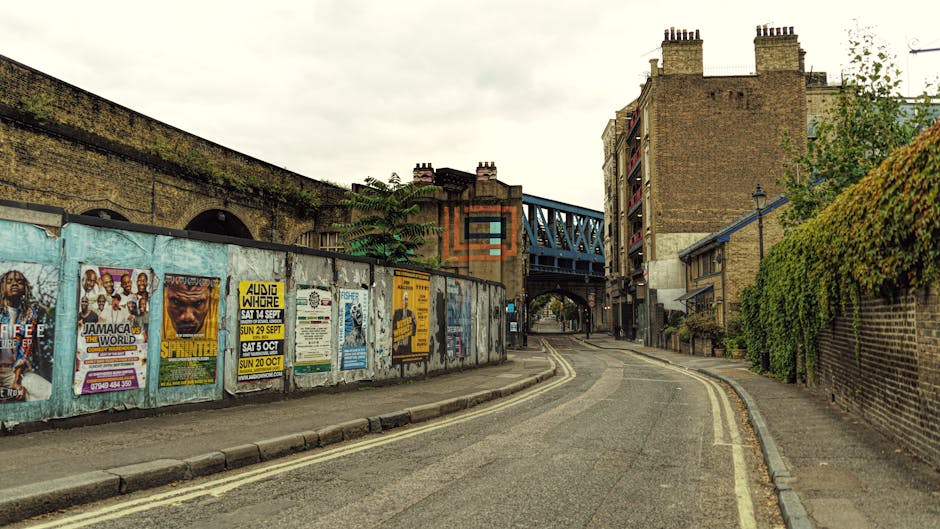
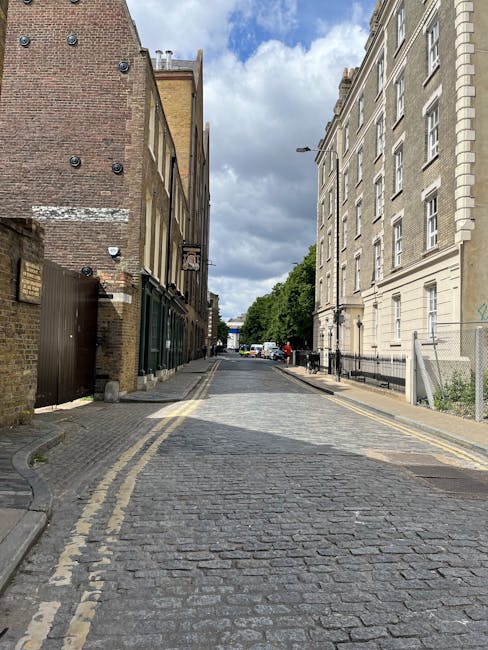
Narrow streets change the whole moving equation. A van that is perfectly fine on a main road can become a headache once it reaches a side street with cars on both sides, residents coming and going, and barely enough room to swing a door open. In New Cross Gate, that is not unusual. Older housing stock, mixed parking patterns, and dense residential layouts all make access planning more important than people first realise.
When access is tight, the smallest delay can ripple through the day. If the vehicle cannot get close enough to the property, carrying distance increases. If unloading takes longer, parking pressure gets worse. If a neighbour has blocked part of the street, you may need to adjust on the fly. None of this is dramatic, but it adds up. And on moving day, little frustrations can feel like big ones.
This is why the right approach is less about brute force and more about sequencing: assess the street, choose the vehicle carefully, pack for quick handling, and plan the load order so the essential items come out first. It sounds obvious. It rarely is in practice.
If you are comparing moving support, it can help to look at broader service options too, such as removal services or the more flexible man and van approach for smaller loads and tight access.
How New Cross Gate removals guide for narrow streets Works
The basic idea is simple: reduce space-related risk before the van arrives. In a narrow-street move, the planning stage is doing a lot of the heavy lifting. You are trying to answer questions like: can a vehicle stop safely nearby, where will boxes be set down, which items need two people, and what happens if the closest parking spot is taken?
In a typical narrow-street removal, the process usually looks like this:
- Pre-move survey or street check. Someone reviews access, parking, turning room, steps, and any bottlenecks.
- Vehicle matching. A van size is chosen that suits both the volume of belongings and the road layout.
- Loading plan. Heavier or awkward items are placed for stable transit and easier unloading.
- Arrival timing. The move is scheduled to reduce conflict with school runs, commuter traffic, bin collections, or peak resident parking.
- On-street handling. Items are moved carefully, often in shorter carries, to keep the day efficient and safe.
The word efficient is doing a lot of work there. On a narrow street, efficiency is not about rushing. It is about avoiding re-handling. Every time a sofa gets turned around twice, or a box is carried three times instead of once, the move gets slower and riskier.
Some households do well with a standard moving van; others need the simpler coordination of man with van support because the street itself is the limiting factor, not the amount of furniture. Truth be told, the road layout often decides the method before the inventory does.
Key Benefits and Practical Advantages
Getting the access plan right brings several real benefits, and not just the obvious one of "the van fits." The advantages tend to show up in the little moments that most people forget to budget for.
- Less carrying distance. Fewer metres between front door and vehicle means less fatigue and less chance of a dropped item.
- Lower damage risk. Narrow streets often mean tighter doorways, sharper turns, and more chance of clipping walls or railings.
- Better timing. When the vehicle can stop closer to the property, loading and unloading usually happen faster.
- Less neighbour disruption. A well-run move is quieter, quicker, and less likely to block traffic longer than necessary.
- More predictable costs. Fewer delays and fewer second trips can help keep the move closer to the original plan.
There is also a psychological benefit, which matters more than people admit. Once you know the van can access the street properly, the move feels manageable. You stop worrying about the unknowns and start dealing with the actual job in front of you.
For some moves, it is worth pairing access planning with packing and unpacking services. That can be especially helpful if you are moving from a compact flat and every minute counts.
Who This Is For and When It Makes Sense
This guide is for anyone moving in or out of New Cross Gate where the street layout is not exactly generous. That includes tenants, homeowners, landlords arranging a changeover, and small businesses moving equipment out of a residential-style road. It is especially relevant if you have any of the following:
- terraced housing with limited frontage
- shared driveways or no driveway at all
- one-way streets with parked cars on both sides
- basement flats or upper-floor properties with narrow stairwells
- heavy items that are awkward to turn, like wardrobes or appliances
- a moving date that falls on a busy weekday
It also makes sense if you are weighing up whether to book a larger team or a lighter-touch option. A lot of people assume a bigger truck is always better. It is not. In narrow streets, smaller and more agile can be the smarter choice. If you need wider service coverage beyond a simple man-and-van style move, you can compare options like house removals and house movers depending on how much help the job needs.
And if you are moving a workplace rather than a home, the same access logic applies. Offices may have rolling chairs, IT equipment, archive boxes, and reception furniture that all behave badly in tight spaces. In that case, office removals or commercial moves may be the better fit.
Step-by-Step Guidance
Here is the part that helps most people: a practical sequence you can actually follow. Keep it simple. Don't turn it into a military operation unless you really want to.
1. Measure the access, not just the rooms
People often measure sofas and wardrobes, then forget the street itself. Look at width, corners, road furniture, bins, lamp posts, and where vehicles already park. If you can, stand at the property entrance at the same time of day your move is planned. Morning light and evening traffic can feel like completely different streets.
2. Match the van to the street
In narrow areas, a slightly smaller van can save time overall. The aim is not maximum capacity at all costs. The aim is access. If the vehicle is too large to position safely, the move becomes slower and more awkward. A nimble removal van may be more practical than a bigger truck where parking space is limited.
3. Reserve space mentally and physically
You may not always be able to reserve the curb formally, but you can still plan for a clear zone. Let neighbours know the day before if appropriate. Move your own car elsewhere. Ask friends or family not to leave vehicles in the most useful bay if they can avoid it. It is all very ordinary stuff, but it matters.
4. Pack for short carries
Use sturdy boxes, label them clearly, and keep weight sensible. In narrow streets, items are often carried in smaller batches, so overfilled boxes become a nuisance. Put fragile items in a single, clearly marked box rather than scattering them across several half-empty ones. You will thank yourself later, probably while carrying the third box and trying not to bump the bannister.
5. Load in a useful order
Pack the van so the first items needed at the destination are easiest to reach. Essentials, cleaning kit, documents, kettle, bedding, and basic tools should not be buried behind a sofa and two bookcases. This sounds basic because it is basic. Yet it is one of the most common avoidable mistakes.
6. Keep the unload route clear
Inside the property, make sure hallways, doorways, and landings are free from clutter. A narrow street move often happens alongside a narrow hallway move. If the inside route is messy, the access problem just moves indoors instead of outside.
7. Build in a buffer
Even when everything is planned well, narrow-street moves can still be held up by a delivery driver, a neighbour's car, or a last-minute traffic pinch. Build a bit of slack into the day. Not loads. Just enough so one surprise doesn't wreck the whole schedule.
Expert Tips for Better Results
After enough local moves, a few patterns become very clear. The jobs that go well are not always the ones with the fewest belongings. They are usually the ones where the access plan was realistic from the start.
- Choose a quieter loading window if possible. Mid-morning often works better than the school-run or end-of-day rush.
- Use photo-based planning. A couple of clear photos of the street, entrance, stairs, and parking area can be more useful than a long description.
- Separate the heavy from the awkward. Heavy items need good lifting practice; awkward items need clear turning space.
- Protect corners and thresholds. Blankets, wraps, and door protectors reduce scuffs in tight entry points.
- Keep keys, parking info, and contact details in one place. On a busy move day, hunting for a phone note is never fun.
A small but helpful habit: place a bright note on the front door that reminds everyone which items are going first. It sounds almost too simple. But in a house full of open boxes, it saves a lot of faff.
If you need help choosing the right level of support, browsing a broader removal company option can help you compare what is included rather than guessing from the vehicle alone.
Common Mistakes to Avoid
Narrow-street moves fail in very predictable ways. That is actually good news, because predictable problems are easier to avoid.
- Booking the wrong vehicle size. Too large can be just as bad as too small.
- Leaving parking until the day. Access issues are much easier to manage before the van arrives.
- Underestimating stairs and turns. A wardrobe that fits in the room may still be miserable on the landing.
- Packing fragile items loosely. More handling in tight spaces means more chance of damage if packing is sloppy.
- Not checking for residents' restrictions. Street-use patterns, parking pressure, and local loading habits can all affect timing.
- Forgetting a backup plan. If the nearest bay is taken, who moves the car and where does the van go instead?
One thing people often miss: the route from the vehicle to the front door can be more difficult than the drive itself. A short route with three awkward turns may be harder than a longer route with a clean straight line. Little detail, big effect.
Tools, Resources and Recommendations
You do not need a warehouse full of equipment, but a few practical tools make narrow-street removals much easier.
- Furniture blankets for corners, frames, and table legs
- Ratchet straps or tie-downs for keeping loads stable in transit
- Dolly or sack barrow for heavier items where steps are not a problem
- Gloves with grip for damp mornings or slippery surfaces
- Markers and labels for quick room-by-room unloading
- Phone camera to photograph access points and anything unusual before moving day
On the service side, it may help to compare man with van removal for flexible access, or removals near me if you want something local and familiar with area conditions. If the move is more complex, the broader removals page can help you understand the available scope of support.
There are also practical housekeeping pages that build trust when you are choosing a provider, such as insurance and safety, health and safety policy, and pricing and quotes. Those pages help you judge how a company works, not just what it says it can do.
Law, Compliance, Standards, or Best Practice
For moves in narrow streets, compliance is mostly about acting responsibly and planning within normal UK road and property-use expectations. That means not blocking access for longer than necessary, not creating unnecessary hazards, and treating neighbours, pedestrians, and parked vehicles with care.
Best practice usually includes:
- safe lifting and carrying methods
- clear communication before and during the move
- appropriate insurance cover for the type of work being carried out
- reasonable consideration for shared access and local residents
- secure loading so items do not shift during transport
If you are moving business equipment, there can also be extra expectations around data, sensitive documents, and downtime. That is where office relocation services become relevant, because business moves often need a bit more structure than a standard domestic job.
It is also worth checking terms carefully. A clear provider should explain what is included, what is not, and how safety or damage issues are handled. That kind of clarity is not flashy, but it is reassuring. And honestly, reassurance is worth a lot on moving day.
Options, Methods, or Comparison Table
If you are unsure which approach suits a narrow street best, this simple comparison can help.
| Option | Best for | Strengths | Things to watch |
|---|---|---|---|
| Man and van | Smaller moves, flexible access, lighter loads | Agile, practical, often easier in tight streets | May need multiple trips for larger volumes |
| Removal van | Standard home moves with moderate access limits | Good balance of capacity and manoeuvrability | Still needs a sensible parking plan |
| Full house removals | Larger households or full-property moves | More support for heavy or numerous items | Needs careful timing in narrow streets |
| Commercial or office move | Work equipment, stock, furniture, documents | Structured handling and better planning | Can involve more items than expected |
The right option depends on the street as much as the inventory. That is the key thing. A large move on a generous road may be simpler than a small move in a cramped cul-de-sac. Bit annoying, but true.
Case Study or Real-World Example
Picture a typical New Cross Gate flat move on a weekday morning. The property is on a narrow residential street with cars parked along one side, a tight turn near the junction, and only a short waiting space close to the building. The move includes a sofa, bed frame, two wardrobes, a few white goods, and around thirty boxes.
Instead of sending in the largest possible vehicle, the plan uses a more compact van that can position close to the entrance without blocking the street. The team clears a path inside the flat, protects corners, and stages the boxes by room. The heaviest items go out first, before the street gets busier. The load order is arranged so the first items needed at the new property are easy to reach.
What made the day go smoothly? Not luck. A few small decisions. The van choice matched the road. The items were packed by handling priority. The resident moved their car the night before. A neighbour was given a heads-up. Nothing dramatic. Just decent preparation.
That kind of move can also benefit from home moves support if you want a broader domestic service, or house removalists if you need a more hands-on team. The details vary, but the same principle holds: access planning first, lifting second.
Practical Checklist
Use this checklist in the week before the move. It is simple, but it covers the bits people forget when the kettle is already unplugged and the hallway is full.
- Confirm the exact moving date and arrival window
- Check street width, turning space, and likely parking positions
- Photograph the front of the property and the access route
- Decide whether a smaller van is more sensible than a larger one
- Label boxes by room and handling priority
- Pack a clearly marked essentials box
- Protect furniture with blankets or wraps
- Clear hallways, stairs, and landings
- Tell neighbours if temporary curbside space may be needed
- Keep keys, phone, and important documents easy to grab
- Check insurance, terms, and payment details before the day
- Build in a small buffer for delays
Expert summary: In narrow streets, the move succeeds when the access plan is realistic, the vehicle size is sensible, and the packing system keeps items easy to carry. That trio saves more stress than any last-minute rush ever will.
Get a free quote today and see how much you can save.
Conclusion
Moving in New Cross Gate's narrow streets is absolutely manageable, but it rewards people who plan with the street in mind rather than pretending the street is just a detail. Once you look at access, parking, carrying distance, and vehicle size as one connected problem, the whole job becomes clearer.
The good news is that most of the risk is avoidable. A few photos, a sensible van choice, clear packing, and a realistic schedule go a very long way. You do not need perfection. You just need a plan that fits the road in front of the house, not the one you wish you had.
And if moving day still feels a bit overwhelming, that is normal. Narrow streets can make even a small move feel surprisingly big. Take it one step at a time. It usually comes together better than you think.
Frequently Asked Questions
What makes New Cross Gate removals difficult in narrow streets?
The main challenge is access. Limited parking, tight corners, parked cars, and short stopping space can slow loading and unloading, even when the move itself is small.
Should I choose a smaller van for a narrow street move?
Often, yes. A smaller or more manoeuvrable vehicle can be easier to position safely and may save time overall if the street is tight.
How do I know if my street is too narrow for a removal van?
Look at turning room, kerb space, parked cars, and whether a vehicle can stop without blocking the road for too long. Photos are often the quickest way to judge this properly.
Can a man and van service work well in New Cross Gate?
Yes, especially for smaller or mid-sized moves where flexibility matters more than maximum capacity. It can be a practical choice when access is limited.
What should I do about parking on moving day?
Plan it early. If possible, move your own vehicle, alert neighbours if needed, and make sure the most useful loading spot is available before the van arrives.
How far in advance should I plan a narrow-street removal?
As early as you can, ideally before packing gets serious. Even a short access check can prevent avoidable delays later on.
Do I need special packing for a move with a long carry from the van?
Yes, sturdy boxes and clear labels help a lot. If items need to be carried a bit farther, lighter boxes and good protection reduce strain and damage risk.
What if a neighbour parks in the best loading space?
Have a backup plan. Another nearby position may work, or the move may need slight timing adjustments. In narrow streets, flexibility is part of the job.
Is house removals support better than a man and van for this kind of move?
It depends on the volume of belongings and how much help you need. Smaller jobs often suit a man-and-van setup, while larger households may need a fuller removals service.
Can office moves also be handled in narrow streets?
Yes, but they need more structure. Equipment, documents, and office furniture often require careful sequencing, so planning matters even more.
What are the most common mistakes people make with narrow street moves?
The biggest ones are booking the wrong vehicle size, ignoring parking, overpacking boxes, and underestimating stairs, turns, and carry distance.
How can I make moving day less stressful?
Keep essentials separate, clear the access route, confirm timings, and avoid leaving parking or packing decisions until the last minute. Small wins add up quickly.